


The first wave of AI made individuals faster. It also made organizations messier. The companies pulling ahead have figured out the next move isn't a better tool — it's humans and agents working side by side, where nothing falls through the cracks.
* * *
The easy unlock has been speed. Writers, analysts, engineers -- everyone got faster at generating output. Generation used to be where work stalled: writing the draft, shipping the code, taking the meeting notes. AI has largely taken that off the table.
The bottleneck didn't disappear. It moved. Your coworkers are shipping two or three times as much -- memos, decks, code PRs, customer-call summaries -- and most of the week now goes to sorting through which parts are worth your attention. The engineering leader whose team is shipping twice as much code still can't get reviews to move any faster. The output went up. The coordination didn't.
People can write the strategy memo, summarize the customer call, draft the roadmap update. What's broken is that critical context is trapped inside meetings, inboxes, Slack threads, spreadsheets, and the heads of a few key people -- and every handoff drops information along the way. Every new tool creates one more place for work to disappear. Every "quick sync" exists because the system doesn't remember what the last one decided.
The unit of AI leverage isn't a person with a better tool. It's a pairing -- humans and agents working side by side, where nothing falls through the cracks.
That's what the companies pulling ahead have figured out. Most of the market hasn't. The conversation on social media and in the hype cycles is still stuck on individual productivity, personal assistants, and last week's model release. Sit down with anyone actually running a deployment, though, and they'll name something different in the first five minutes.
Once you've seen the pattern a few times, it's hard to miss.
* * *
Single-player vs. multiplayer
In a single-player setup, one person is responsible for knowing what to ask, remembering what was already said, and turning the model's output into something the rest of the organization can use. Everything durable -- memory, routing, context, ownership -- still lives in that person's head. You end up with Iron Man, alone in the lab, burning out.
In a multiplayer setup, humans and agents work together across workflows. They share context, preserve memory, route work between each other, surface blockers, and turn scattered information into usable decisions. The organization stops depending on any one person to be the human index of how everything fits together.
Key Takeaway
Single-player AI makes individuals faster and organizations more chaotic. Multiplayer AI makes individuals faster, more fulfilled, and organizations more coherent. Only one of those compounds in the right direction.
The real bottleneck is coordination, not intelligence
The temptation, when you first see what modern models can do, is to assume the binding constraint in a company is raw intelligence -- if only we could produce better writing, better analysis, better code, we'd move faster.
That hasn't matched what we see. The binding constraint, almost without exception, is coordination. Single-player AI helps at the edges of that system -- it shaves minutes off tasks and produces a better draft of the memo nobody was going to read anyway. Multiplayer AI is a redesign of the system itself.
If you can't answer these questions inside your company today, adding more point-solution AI won't help:
- Where does the context live?
- Who owns the next step?
- What happens when work crosses teams?
- Which decisions are durable, and which are still open?
- How do humans and agents share responsibility without stepping on each other?
Companies that can't answer those questions end up with smarter fragments rather than a smarter organization -- more output, no real momentum.
Why now
Most organizations are past the novelty phase. Licenses are bought. Pilots are running. There's a Slack channel full of prompt tips and a handful of obvious productivity wins. There's also, quietly, the first wave of disillusionment -- the slow realization that having AI tools isn't the same thing as getting real leverage out of them.
That gap isn't a model problem. The models are already good enough. What hasn't changed is the work around the models. The meetings still forget what was decided. The handoffs still drop information. The context still lives in a few people's heads. The org chart still assumes only humans act.
The companies that close that gap first are going to look meaningfully different a year from now. Their edge won't come from having "the best AI" -- nobody can sustainably claim that anyway. It'll come from having built the operating layer that lets AI compound instead of just accumulate.
And if that sounds like a future-tense problem, look at the last two weeks.
April 22openai.com
OpenAI ships Workspace Agents in ChatGPT
Shared, Codex-powered agents with team-level permissions, built into ChatGPT.
April 14notion.com
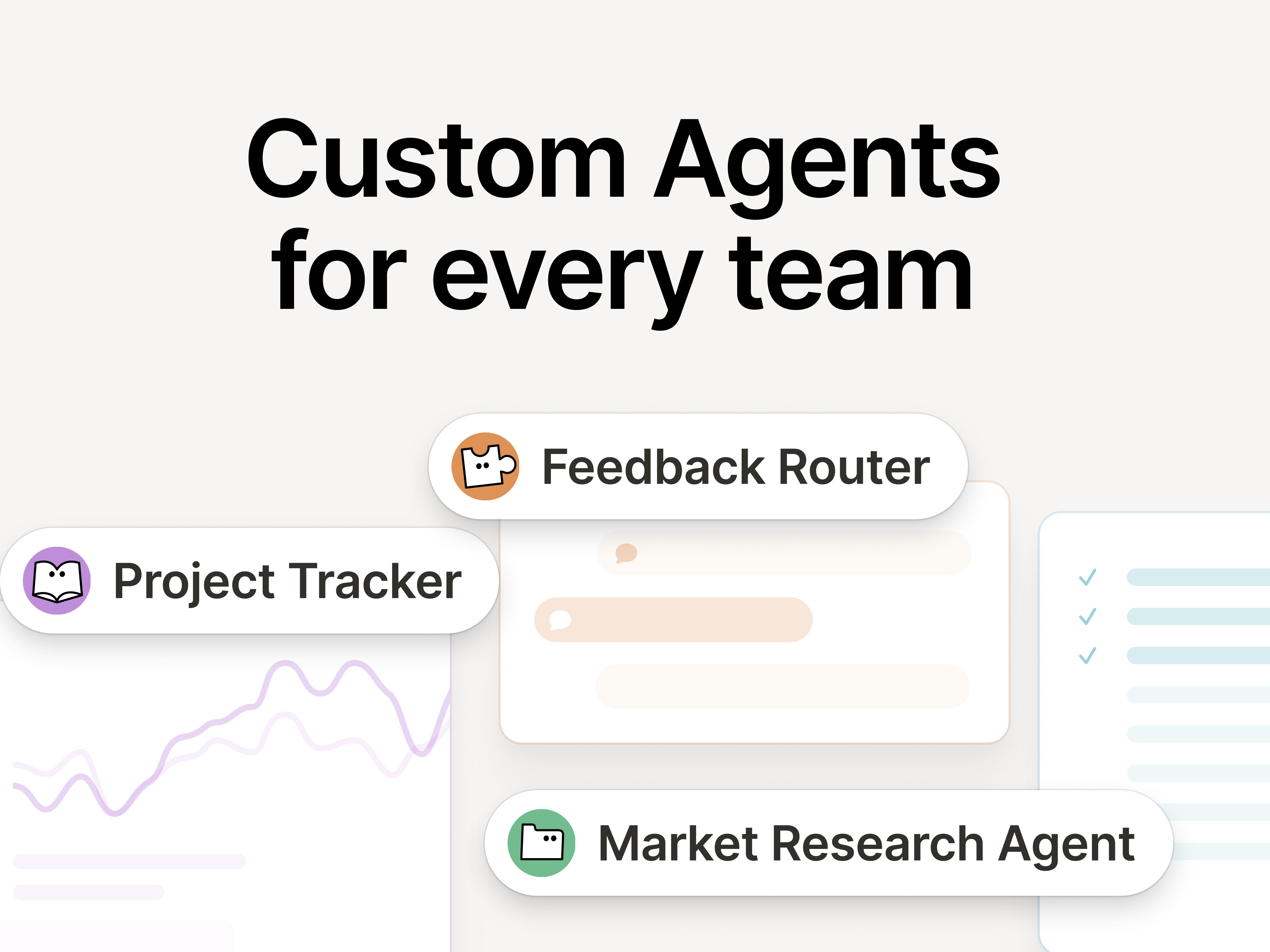
Notion 3.4 expands Custom Agents as AI teammates
Custom Agents plug into Slack, Calendar, and Mail so workflows run across tools, not just inside Notion.
April 8siliconangle.com
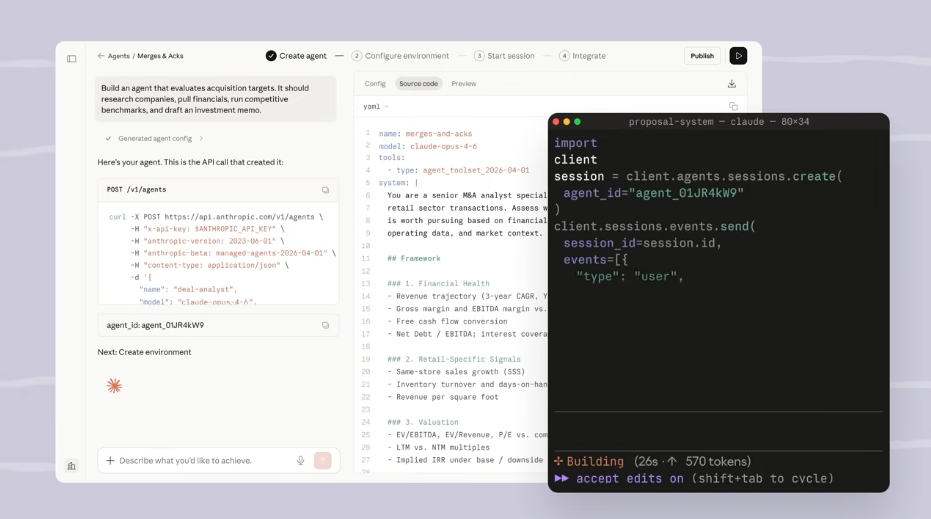
Anthropic launches Claude Managed Agents
Managed service that ships agents in weeks. Already live inside Notion, Asana, Rakuten, and Sentry.
April 3devblogs.microsoft.com
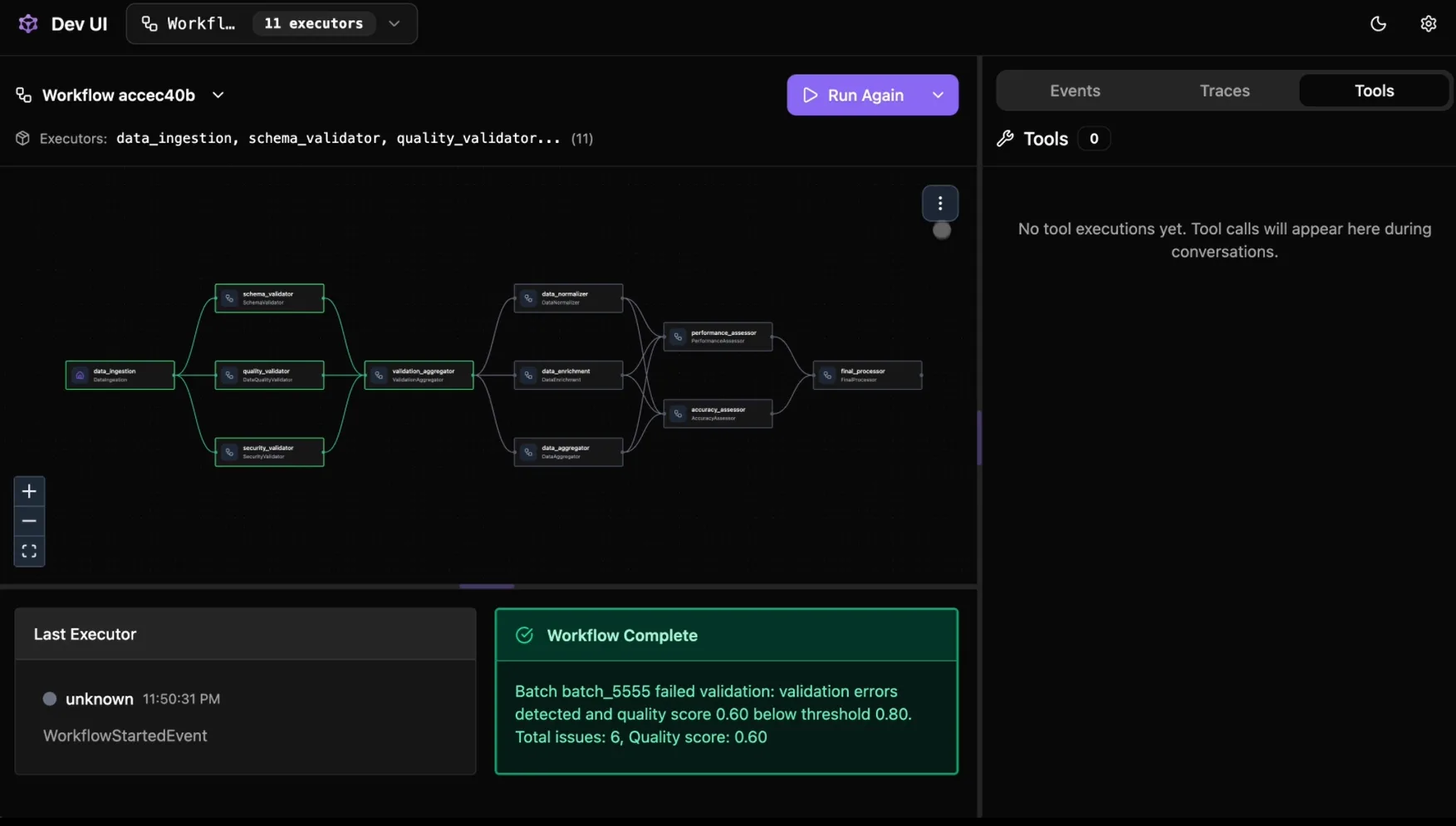
Microsoft Agent Framework 1.0
Production-ready multi-agent orchestration for .NET and Python, with MCP support built in.
May 1learn.microsoft.com
Microsoft Agent 365 hits GA
Microsoft's control plane for a human-led, agent-operated enterprise lands May 1.
If the first wave of AI made individuals faster, the next wave makes companies more coherent.
The companies getting this right aren't buying their way there. They're designing for it -- making deliberate choices about where memory lives, how humans and agents share work, and what their operating layer actually looks like on a Tuesday morning. That's the work we do at Gumbo. It's also the work most companies don't yet know how to name.
* * *
So the real questions are the practical ones. What does multiplayer AI actually look like inside a real company? And how do you design for it without ending up with twelve chatbots in a trench coat?
Those are the next two posts in this series.

Share
Enjoyed this? Get new posts delivered to your inbox.